
Hokusai. Shunga — Japanese Erotic Woodblock Art
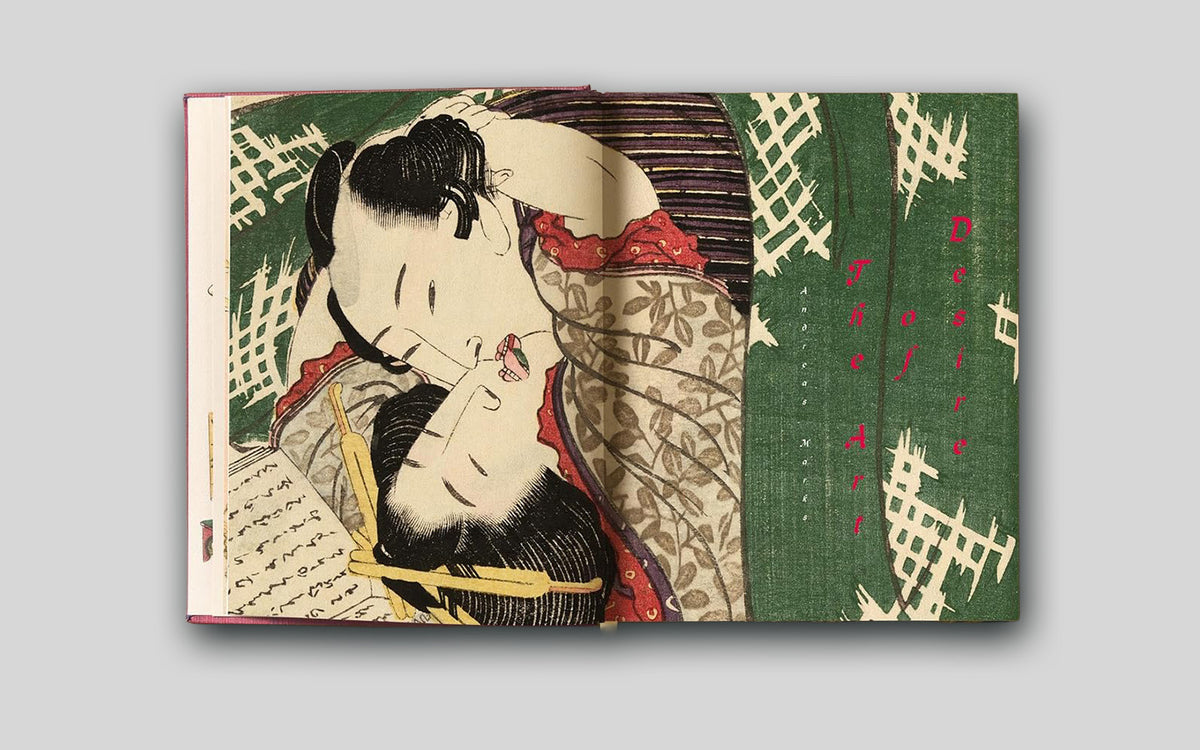
Katsushika Hokusai is celebrated for his extraordinary landscapes, expressive drawings, and iconic woodblock prints. Yet another side of his artistic career reveals an equally inventive imagination. Hokusai. Shunga brings together the Japanese master's erotic artwork, offering a remarkable look at a tradition where intimacy, humour, and artistic craftsmanship came together.
Known as shunga, meaning "spring pictures," erotic art occupied a distinctive place in Japan's Edo-period visual culture. These works portrayed human relationships and sexuality with an openness that could be playful, tender, or deliberately provocative. For Hokusai (1760–1849), the genre became another opportunity to explore expressive figures, elaborate compositions, and the possibilities of woodblock printing.
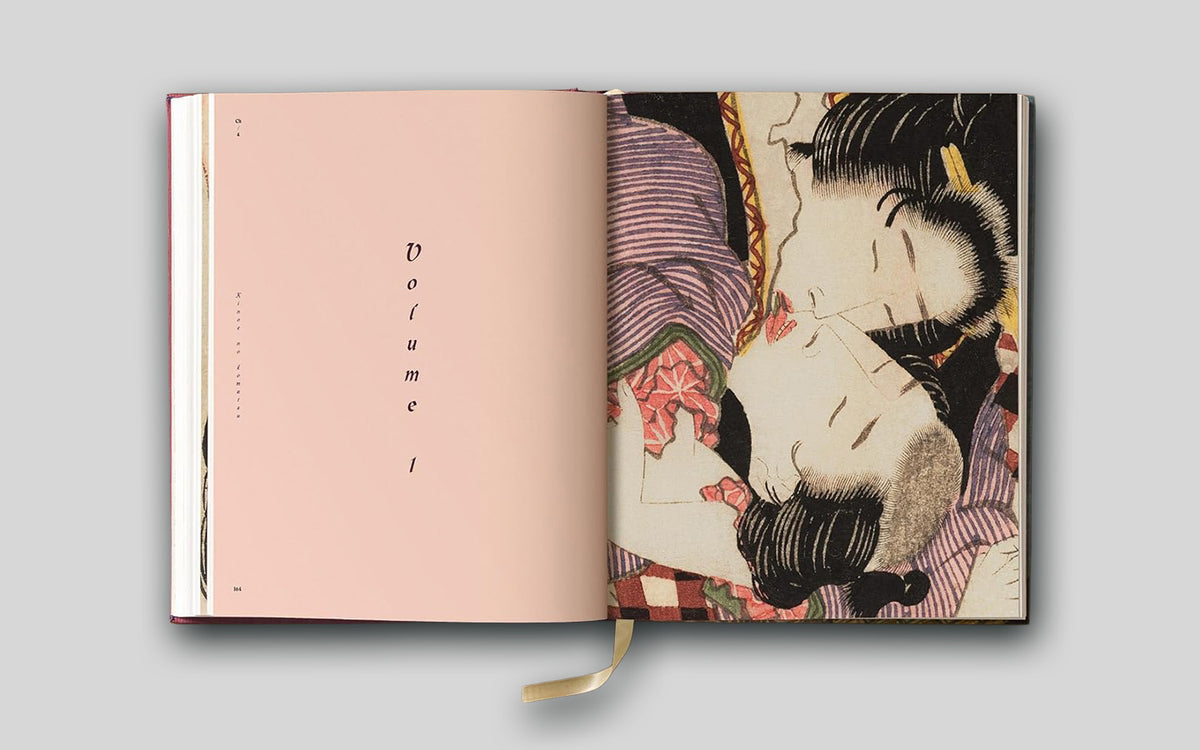
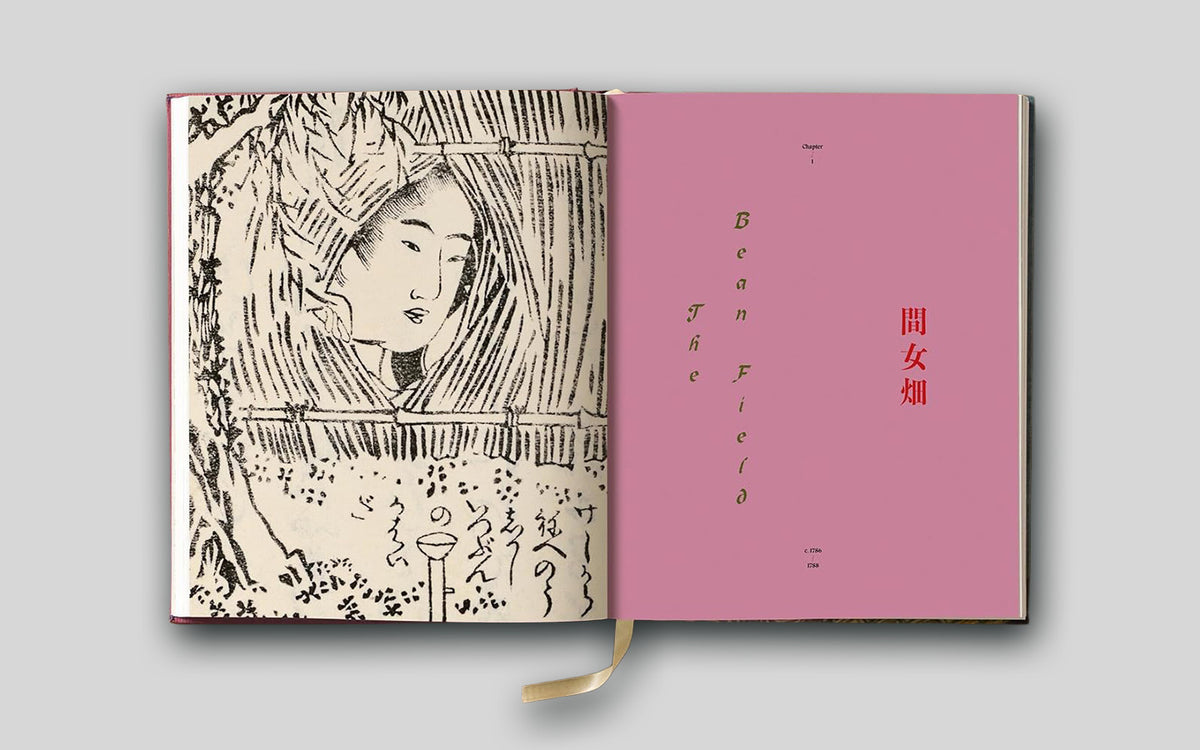
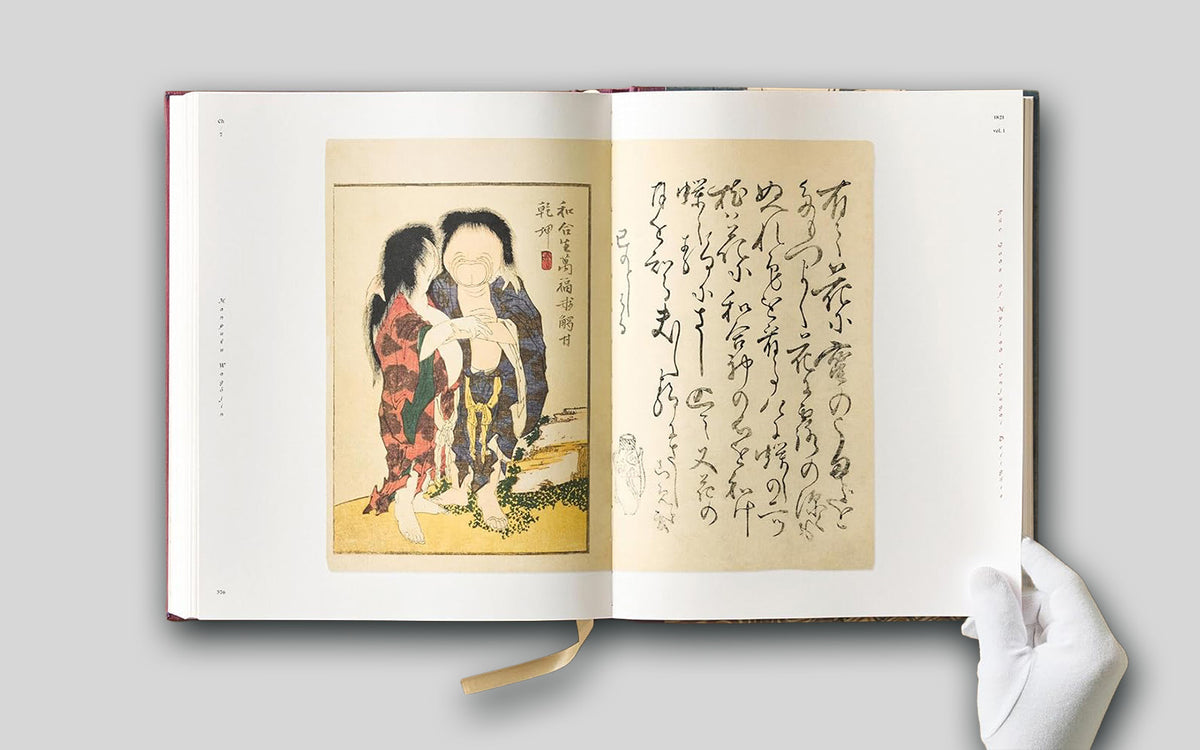
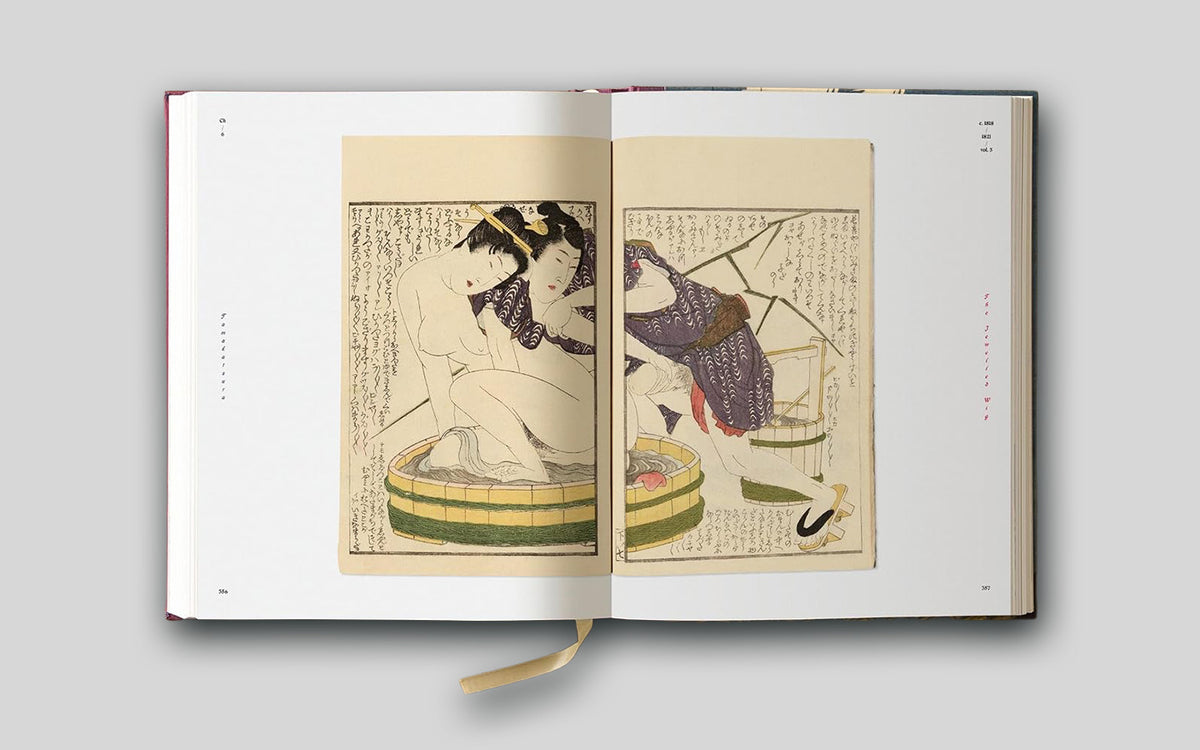
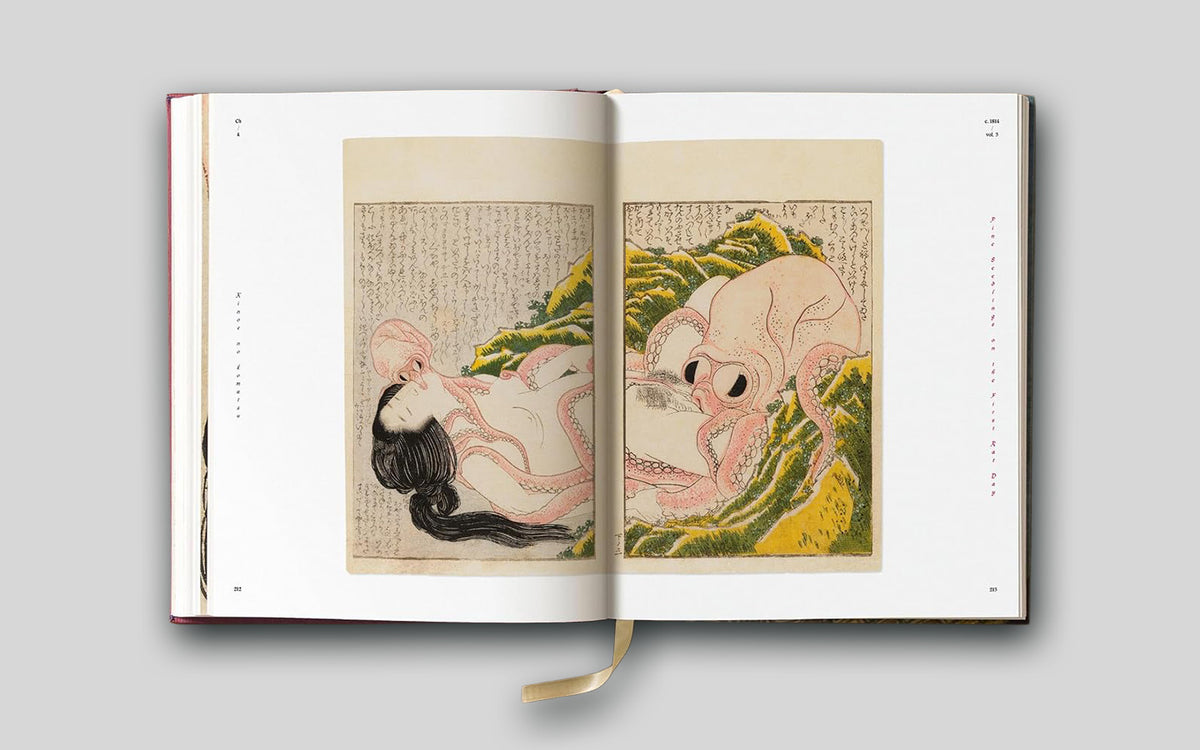
This extensive retrospective presents eight complete books and print sets created between 1786 and 1823, including accompanying narratives, many written by Hokusai himself. Together, they reveal the artist's distinctive approach to storytelling, where images and words combine to explore desire, relationships, and everyday human behaviour.
A lesser-known side of Hokusai
Although best known today for The Great Wave off Kanagawa, Hokusai worked across an extraordinary range of subjects throughout his long career. His shunga demonstrates the same curiosity and technical skill found in his celebrated landscapes and drawings, but directed towards a more intimate world.
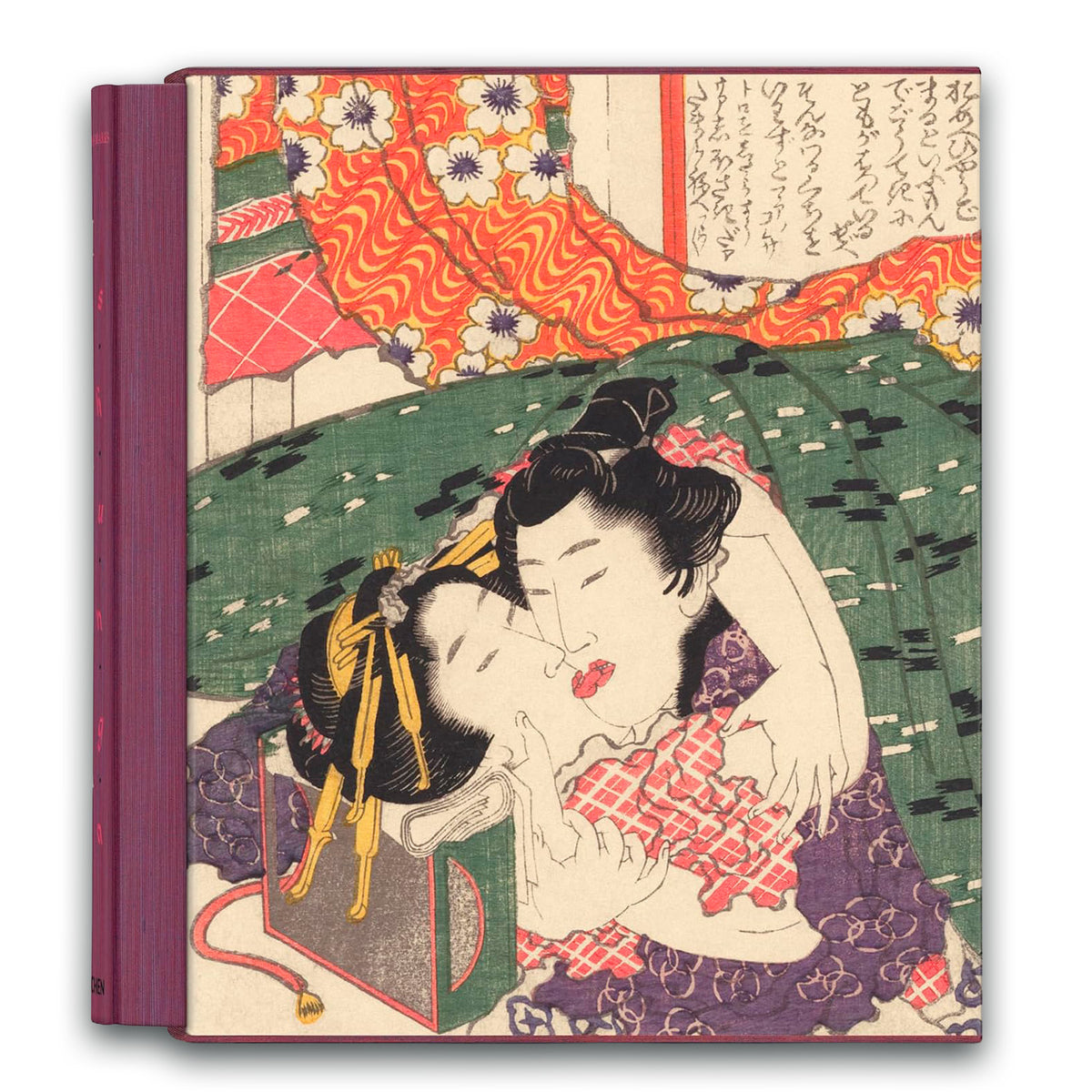
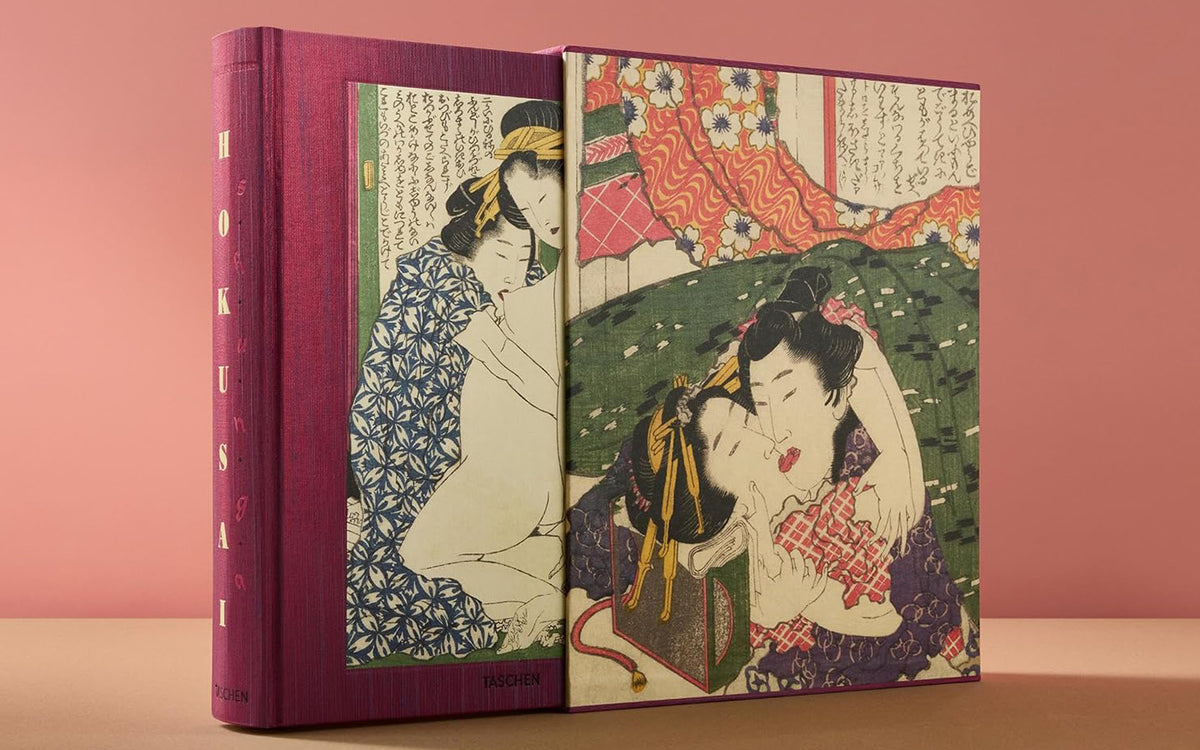
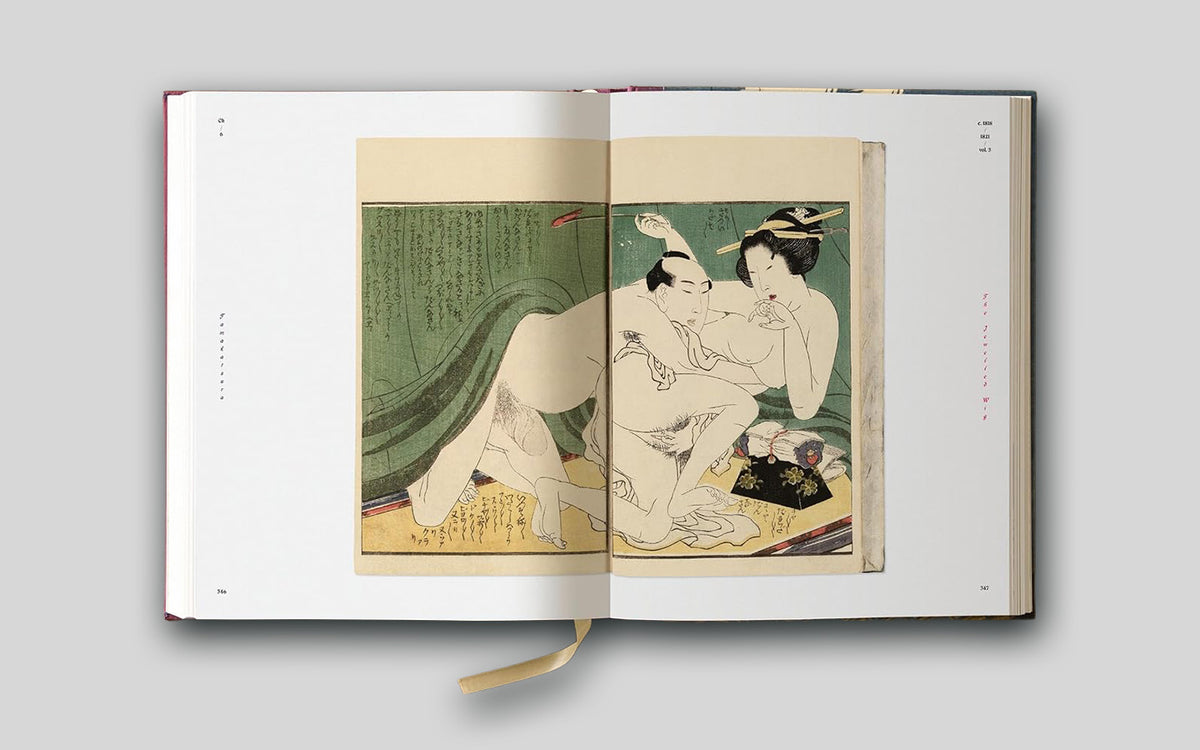
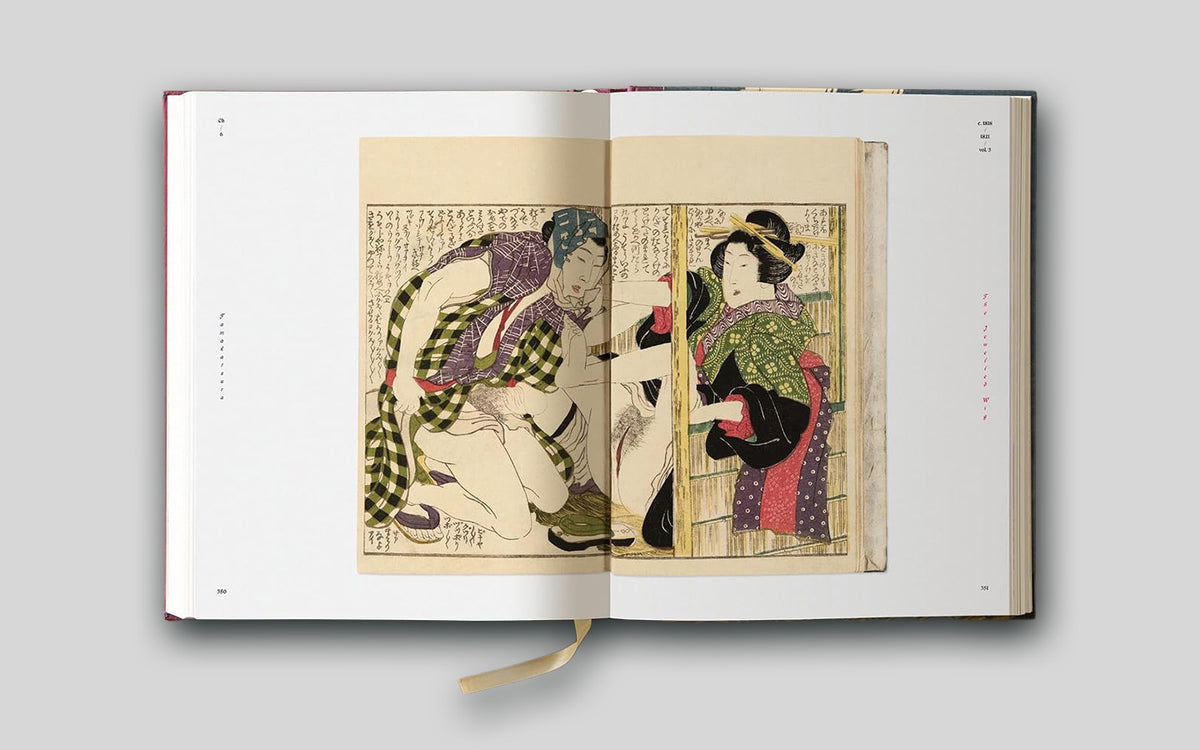
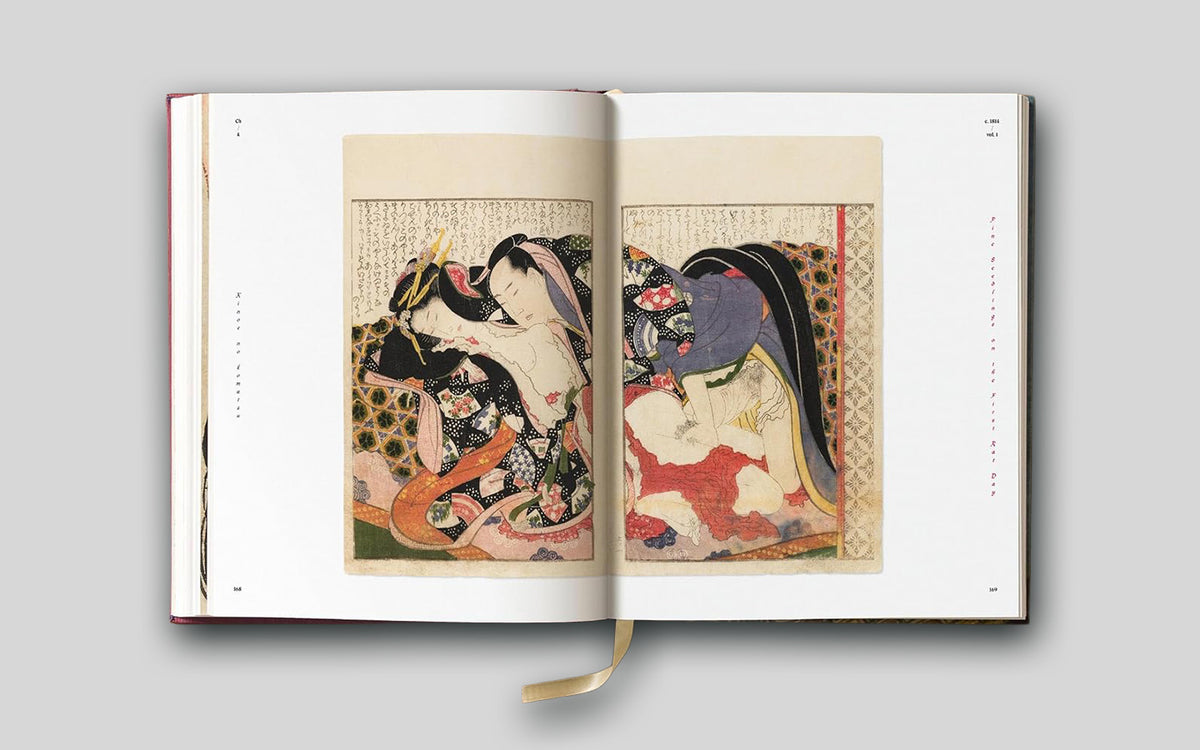
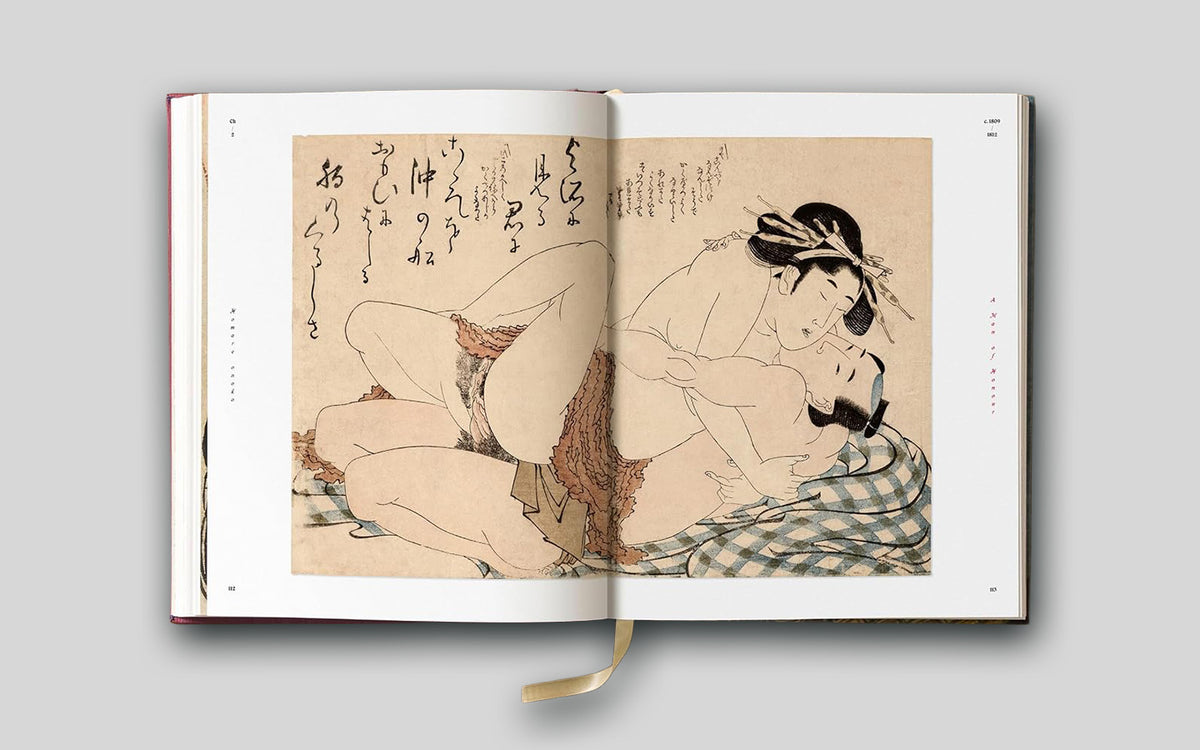
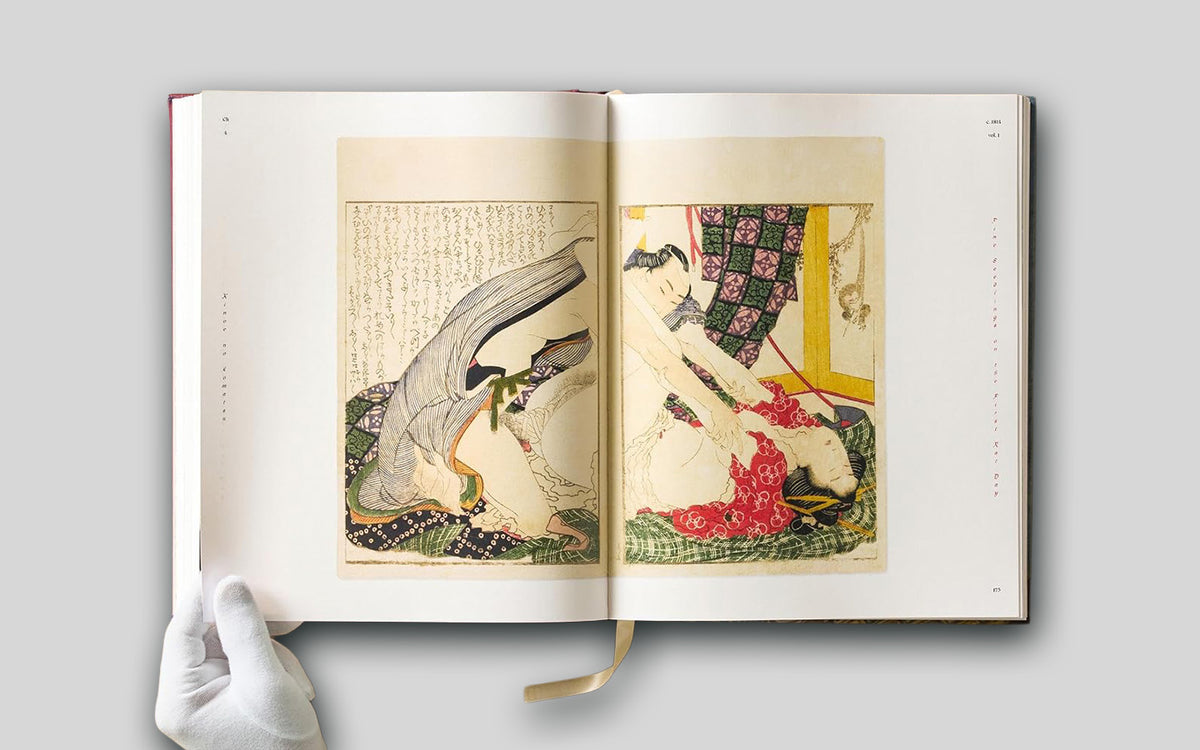
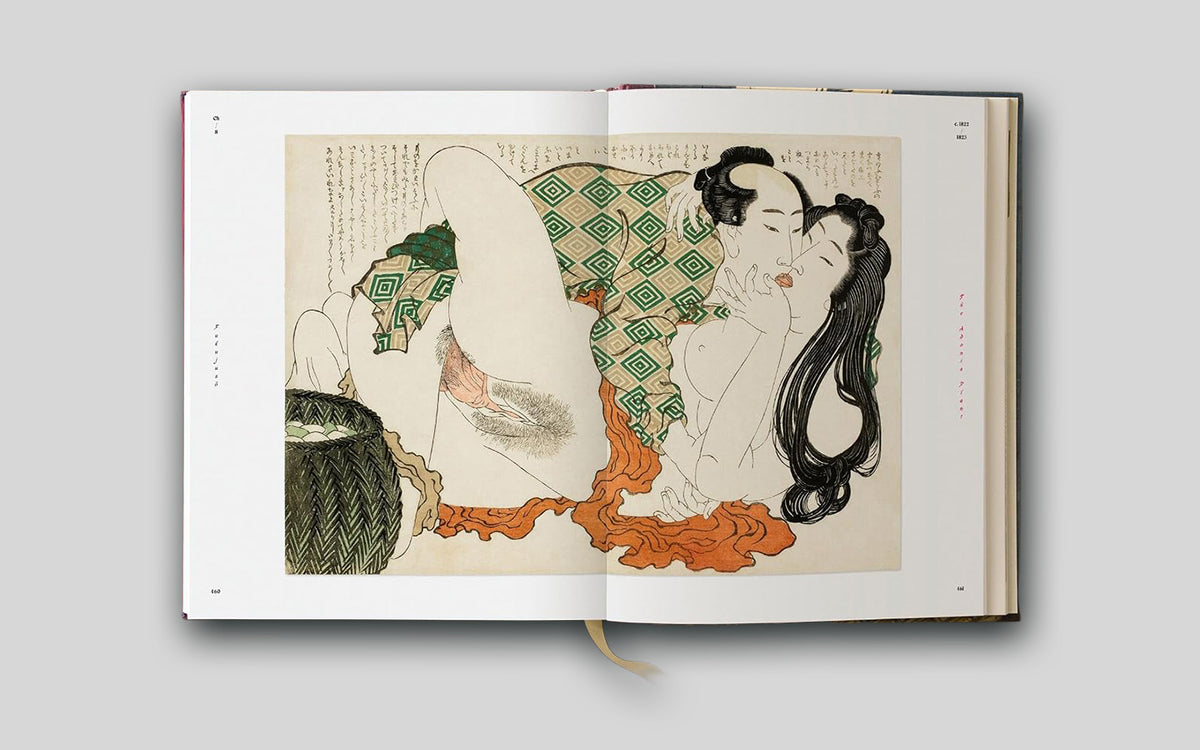
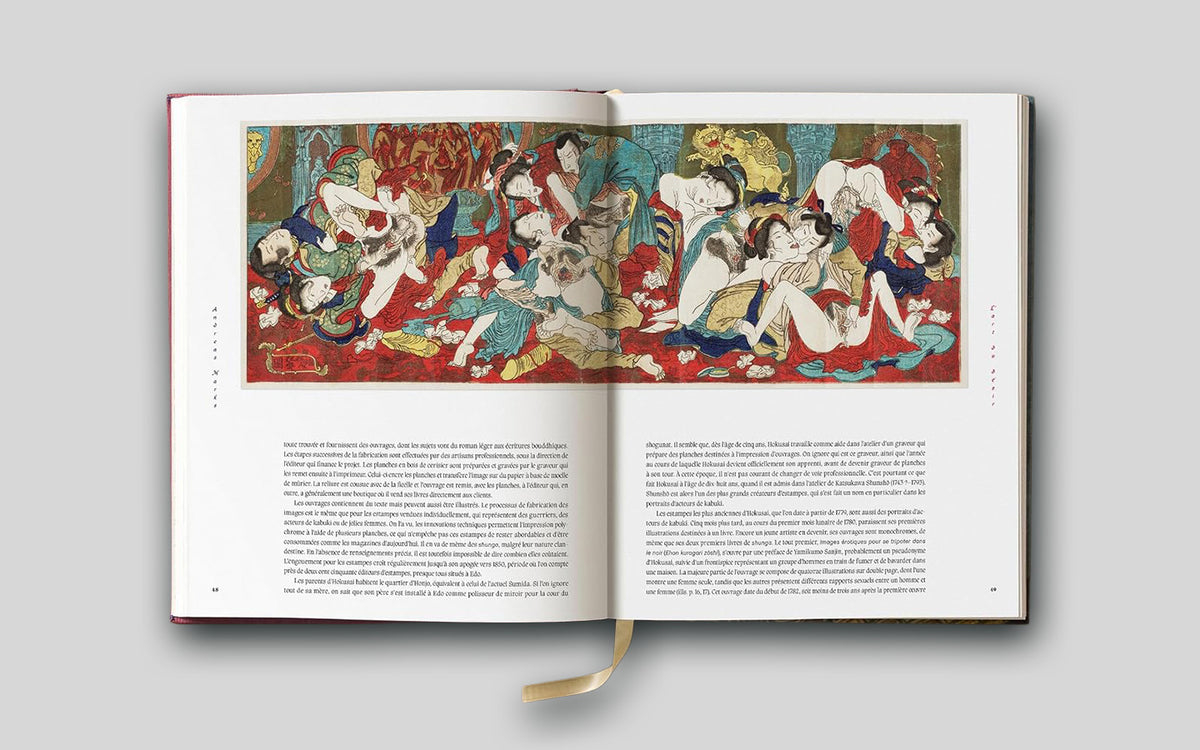
The works are notable for their expressive figures, intricate textile patterns, unexpected humour, and imaginative compositions. Hokusai paid extraordinary attention to clothing, colour, gesture, and the smallest decorative details, creating scenes that are as fascinating for their artistic execution as for their subject matter.
Technical developments in Japanese woodblock printing allowed artists to achieve increasingly rich colours and sophisticated details. These qualities are particularly evident in Hokusai's treatment of fabrics, interiors, and the carefully arranged figures that populate his compositions.
Shunga and Edo-period Japanese culture
Shunga flourished during Japan's Edo period (1603–1868), despite periods of official censorship. Produced by many respected artists, these works circulated as illustrated books and individual prints, reflecting contemporary attitudes towards sexuality, pleasure, and human relationships.
Beyond their erotic content, they offer a revealing perspective on Japanese social customs, artistic traditions, and the everyday lives of people during this period.
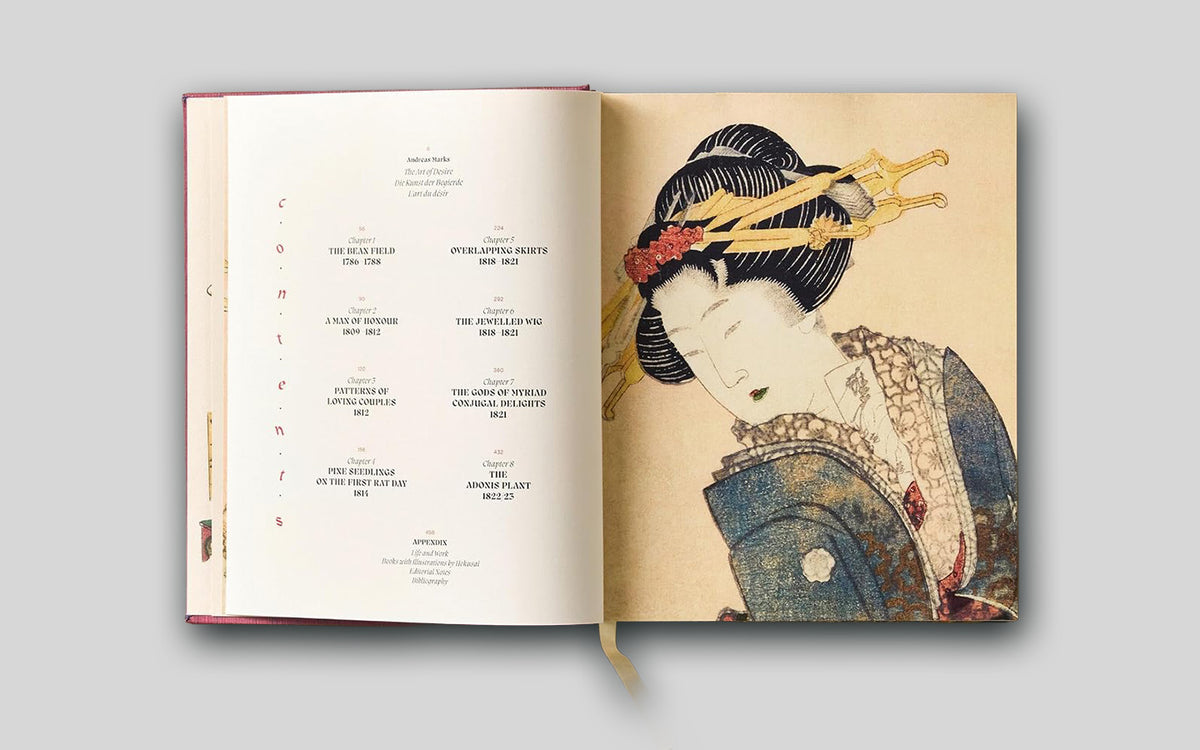
Hokusai. Shunga places these works within their historical context through an extensive introduction and explanatory essays, helping readers understand both the cultural significance of the genre and Hokusai's individual contribution to it.
Eight complete works in a beautifully produced edition
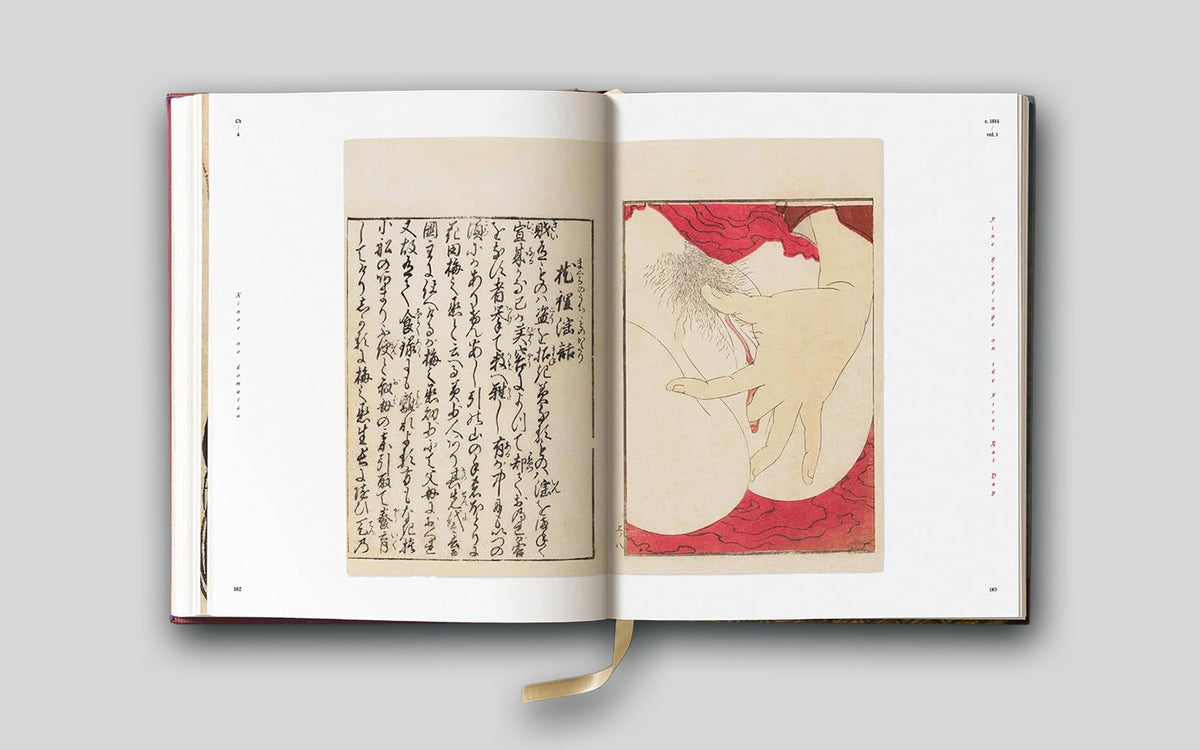
One of the book's most compelling qualities is the reproduction of the original artwork. Newly photographed from rare surviving works, the images reveal the extraordinary detail of Hokusai's linework, colour, and printing techniques.
Rather than presenting isolated examples, this collection brings together complete books and print sets, allowing readers to experience their visual narratives as originally conceived.
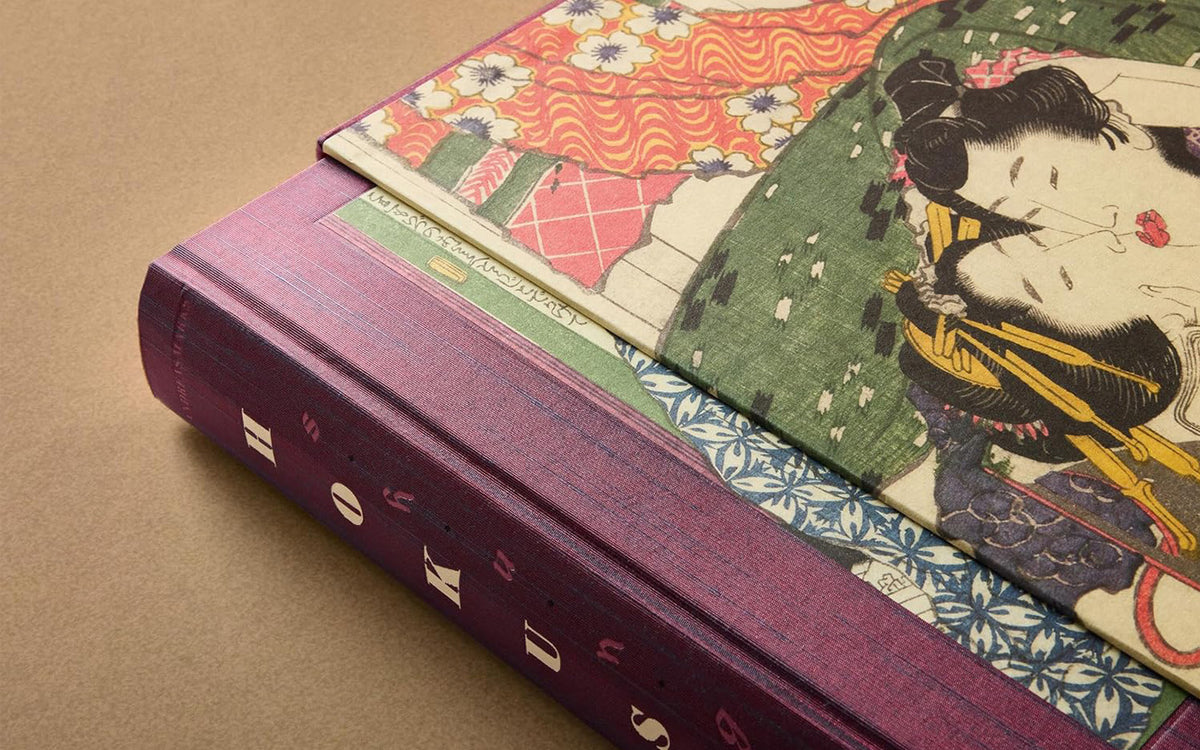
Presented across 480 pages in a large-format hardcover with a protective slipcase, this substantial edition offers an exceptional opportunity to explore an important part of Hokusai's artistic legacy.
For anyone interested in Japanese art, ukiyo-e, printmaking, or the history of erotic imagery, Hokusai. Shunga reveals a remarkable chapter in the work of one of Japan's most influential artists.
Book details
- Title: Hokusai. Shunga
- Artist: Katsushika Hokusai
- Author: Andreas Marks
- Binding: Hardcover in slipcase
- Language: English / French / German
- Pages: 480
- Contents: Eight complete books and print sets from 1786–1823
- Size (H × W × T): 304 × 243 × 60 mm (11.97 × 9.57 × 2.36 in)
- Weight: 3.30 kg
Fast Worldwide Express Shipping. Ships in 1-3 Business Days.
Centro assistenza
Cerchi risposte? Sei nel posto giusto. Sfoglia i nostri articoli, le informazioni sulla spedizione e i dettagli del prodotto — oppure contattaci direttamente.
Spedite a livello internazionale?
Sì, spediamo in tutto il mondo. I costi di spedizione vengono calcolati al momento del pagamento in base alla tua posizione.
Quanto tempo ci vorrà per la consegna?
Tempi di spedizione dopo la spedizione:
Paesi Bassi e Europa: 1–2 giorni lavorativi
USA, Canada, Asia Pacifico: 3–5 giorni lavorativi
Resto del mondo: 4–6 giorni lavorativi
Gli ordini vengono spediti entro 1-2 giorni lavorativi (lun-ven).
I dettagli di tracciamento saranno condivisi via email una volta che il tuo ordine sarà in viaggio.
Dove sei basato?
Siamo basati nei Paesi Bassi e spediamo in tutto il mondo. Tutti gli ordini vengono spediti dal nostro centro di evasione in Europa.